The Science Behind Omega-3 and Cardiovascular Wellness
How EPA and DHA work together to support heart, brain, and joint wellness — and what research tells us about effective dosing.
May 2026 · 5 min read
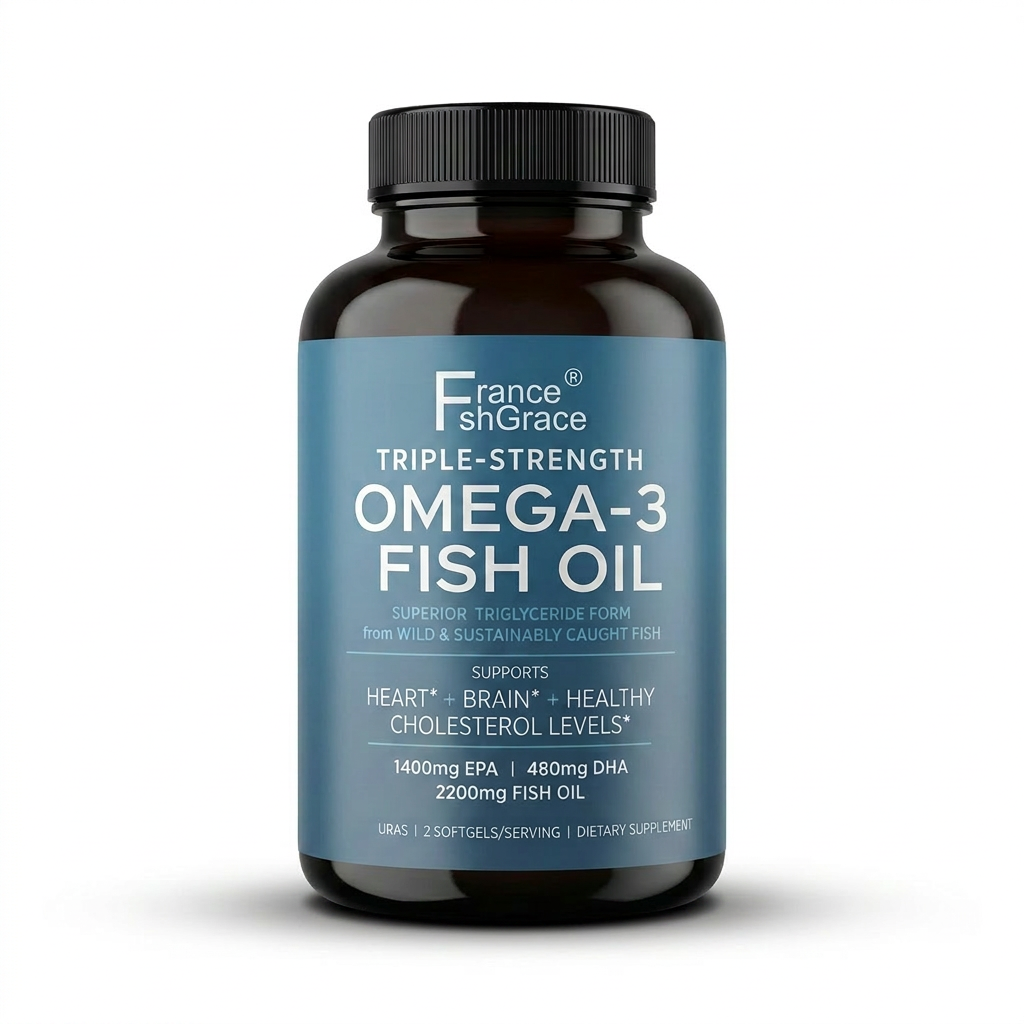
Omega-3 fatty acids are among the most extensively studied nutrients in modern nutrition science. The two that matter most for daily wellness are EPA (eicosapentaenoic acid) and DHA (docosahexaenoic acid) — both abundant in cold-water fish like salmon, sardines, and mackerel.
EPA is most often associated with cardiovascular wellness and a healthy inflammatory response. DHA is a structural component of brain and eye tissue, which is why pregnant women, growing children, and aging adults are frequently encouraged to maintain a steady intake.
The challenge is that the modern Western diet is heavy in omega-6 fats and light on omega-3s. Research suggests that a daily intake of around 1000–2000mg of combined EPA and DHA supports optimal cardiovascular markers in most adults, which is why our Triple Strength Omega-3 was formulated to deliver 2000mg per serving.
Quality matters as much as quantity. Look for fish oils that are molecularly distilled, third-party tested for heavy metals, and stabilised against oxidation — rancid fish oil can do more harm than good.
Key Takeaways
- EPA supports cardiovascular and inflammatory health.
- DHA is structural for brain and eye tissue.
- Aim for 1000–2000mg combined EPA + DHA per day.
- Choose molecularly distilled, third-party tested oils.
These statements have not been evaluated by health authorities. This article is for educational purposes only and is not intended to diagnose, treat, cure, or prevent any disease.